
Friday, 14 October 2016

Research- Conclusion about title sequences
Conclusion
 Title credits always begin with a strong start with music played, the pictures that we see in a title sequence is in association of what the film will be about, for example if there are pictures of guns and armor, this will give us a picture that the film will be action, one example is the James Bond, 007 films. As we can see in the picture there is a man holding a gun and pointing it towards us, there is also the color red shown which may signify blood and death.
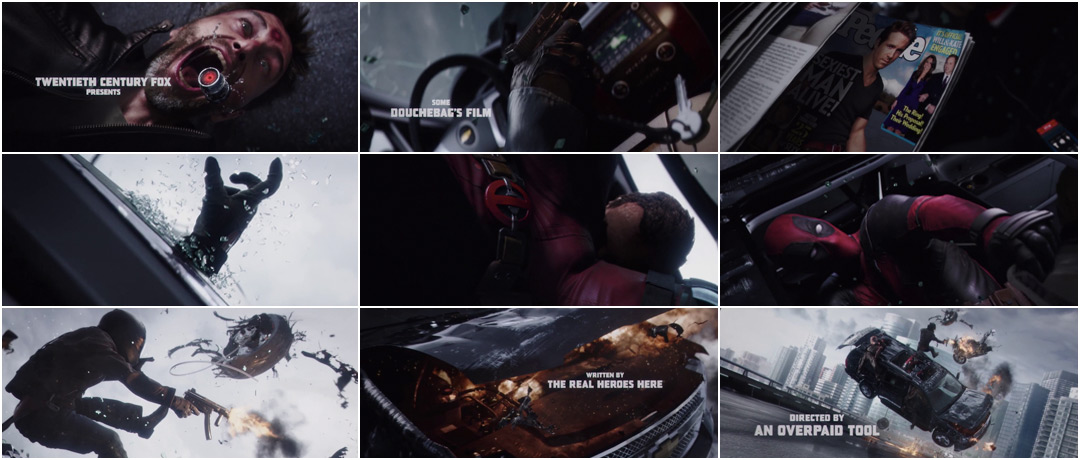
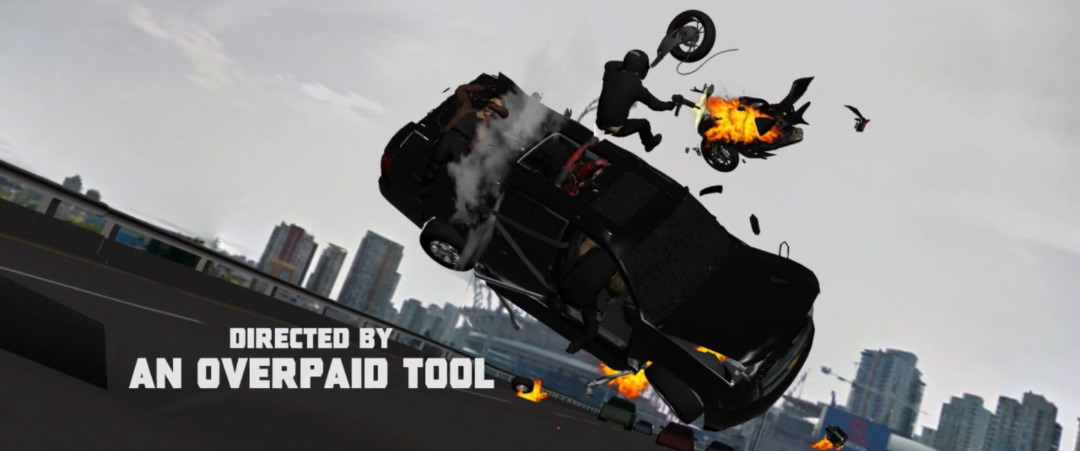 The title credits format is also a key convention towards film openings, there are always different designs shown, the cast and film crew names may be written in block letters or other different designs, one example of a film which the cast and film crew names is written in block capitals is Deadpool. As we can see in the picture it is shown in a cartoon design, this shows us that the film may be Marvel.
Finally, the music in the title sequences may portray the film, for example, if there is metal/ rock music played then the film may be action, however if there is horror music played such as the violin or piano on low key notes played, this implicates that the film will be horror.
Research- Analyse 2 film title sequences
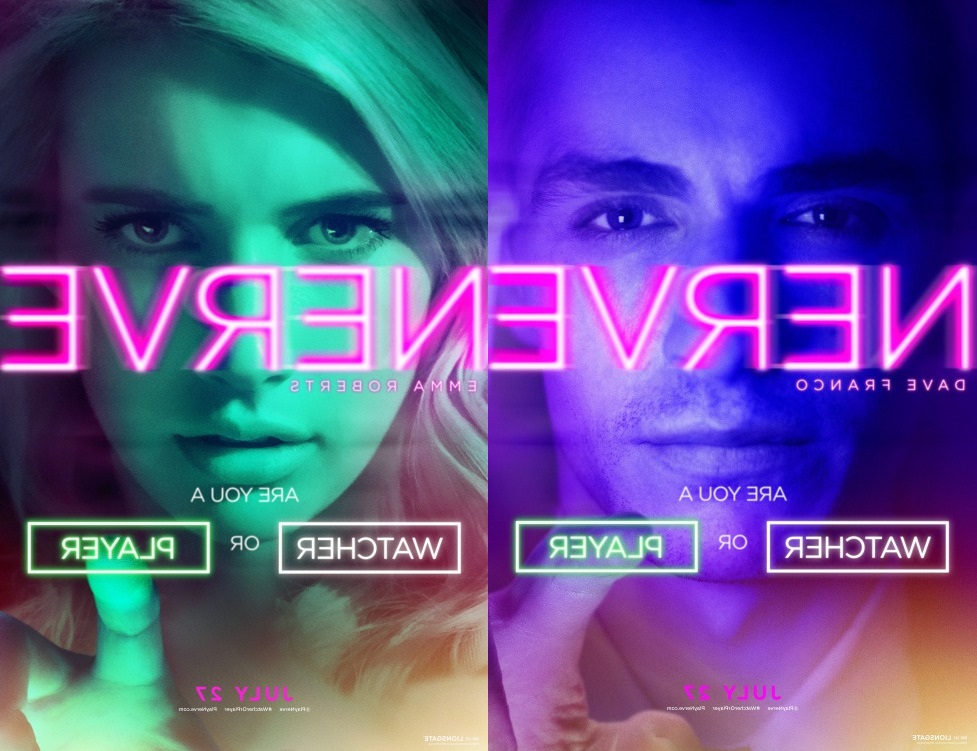 |
| Nerve film poster. |
Nerve
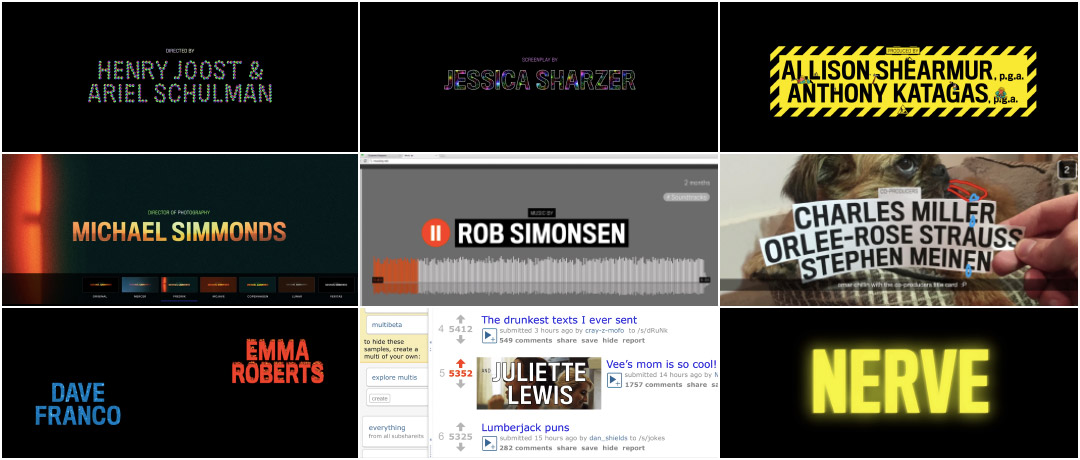 |
| Title Sequence of Nerve. |
Starting with a technology based film opening, every producer and actor's name Title Card is customized to make it seem appealing and is associated with social media. There are different types of images presented to give it a internet feeling and gives the audience an even picture of what the film will be about.
As there are texts shown on a phone then Ads are being displayed, anything associated with a phone etc is shown.
In the background, pop music is heard to give a bright feeling to the observer, the pop music includes a band playing with a lead singer heard, the song seems rowdy and fast paced.
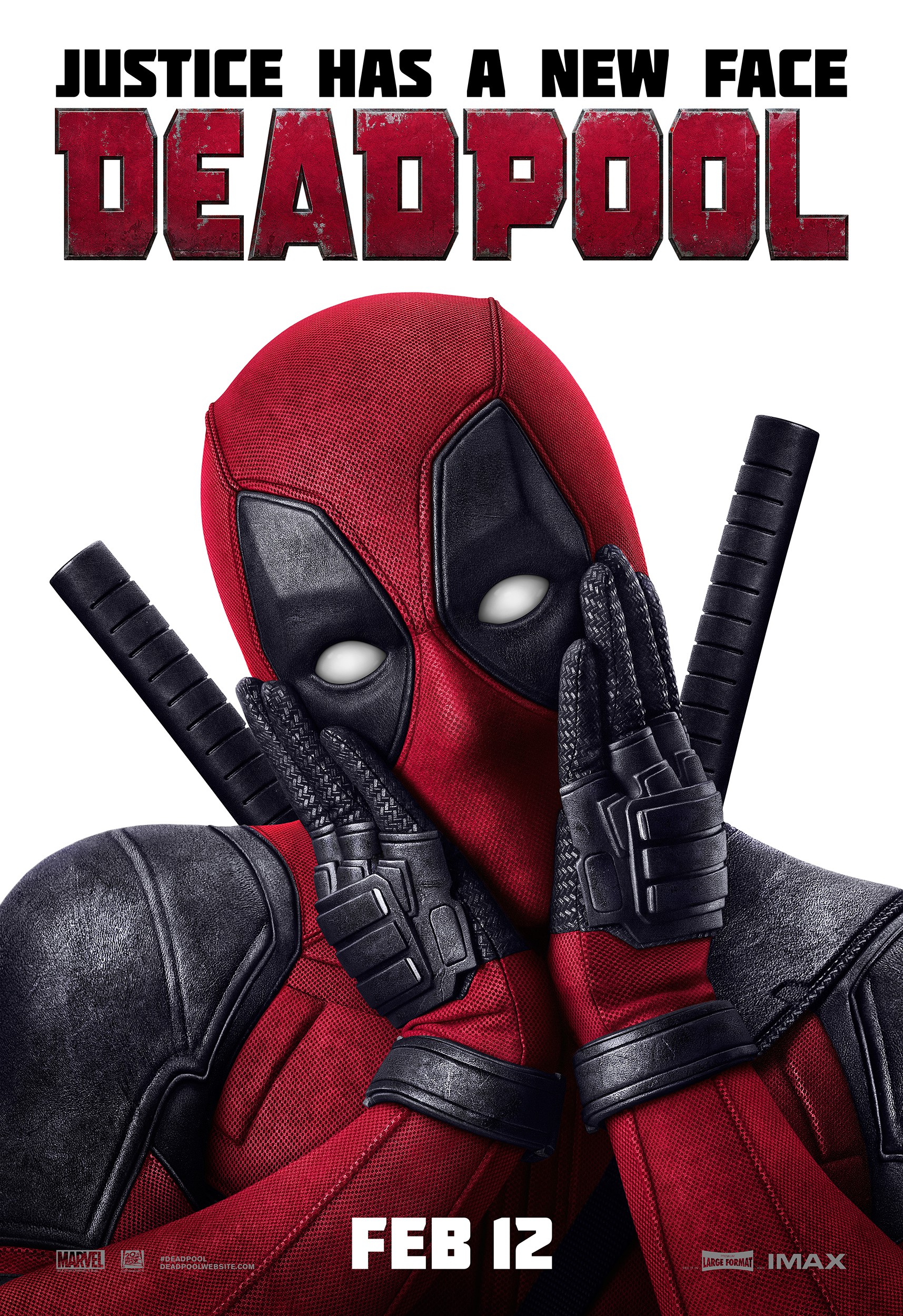 |
| Film Poster of Deadpool. |
Deadpool
Begins with a loud 80s pop/disco music played, then all of a sudden there is slow motion pictures of a red suited character fighting a gang of crooks inside a car, in the mis en scene we can see items falling over the place creating a messy place, this includes coffee spilling everywhere, blood splattered, paper flying all over the place and food sprayed around.
The credits of the cast and film crew is written in block capitals, this may relate to an action atmosphere and gives a strong feeling to the audience about the film, not only how good it is, but how it will play out.
 |
| Title Sequence of Deadpool. |
Research- Prelim film and evaluation.
Which skills you think you were particularly good at and which you were less good at?
I think that the planning was the easiest part as we only needed a basic idea of what to do, the instructions were simple and not really hard to follow.
However the hardest part of the prelim was the acting, we had to redo a simple scene of briando opening the door like 6-7 times, as there was a lot of failed attempts, as we found it hard to keep a straight face throughout the act.
Which aspects of the completed film you think worked well and which were less successful?
I think that the mot successful part of the prelim was the planning and editing, although we forgot to add background music or edits, we included all match cuts properly also followed the 180 degree rule which made our editing even more easier to produce.
The least successful part of the completed film was that we forgot to add the music and tones, therefore throughout the acting, voices in the background was hard to make it seem less professional.
What changes would you make if you were to complete the project again?
If we had another opportunity to make alterations to our completed film, i think that we would have to make our dialogue longer, this is so that the audience will get a deeper understanding of what we are talking about.
Secondly, music and background effects is a key part of every film, this makes the film more better and understandable, if we had a chance to change, it would be adding this.
What have you learned about the importance of storyboarding and shot-lists that you can use when you plan your big production piece?
There are 4 key things in which i have learned throughout our prelim experience:
- Match Cutting
- Shot/reverse shot
- The 180 degree rule
- The idea of close shots and medium shots.
Thursday, 13 October 2016
Research- Why is sound so important to film.
The Importance of Sound to Film
What is Sound?
Sound is anything we hear in relation to a film.
What is Soundscape?
This is the overall sound environment.
What is Sound design?
This is the process of creating, recording and mixing all the sounds.
What is 'Suspending Belief'?
Forgetting that you are watching a film, feeling like you are there.
There are two types of sound:
Diegetic Sound - Sound which the audience can hear but the characters in the film cannot hear.
Non Diegetic Sound - Sound which the characters in the film can hear, for example, an explosion.
Screening with sound made the title sequences seem boring and less interesting, one example was the 'The Taking Of Pelham 1 2 3', the scene seems too plain and there is not much engagement with the characters to the audience making it seem confusing.
Afterwards, we screened with sound, there was a huge difference, it made up a large part of the opening title sequence, the music made the opening entertaining and wanted me to watch more.
The sound also created suspense in the title sequence which created a intense atmosphere.
Research: why is sound so important in films?
 sound is used in a film to establish tone, atmosphere and to hand clues to the audience about the plot. It is also used to establish what genre the film will be as they contain genre tropes. Sound is also used to help 'suspend disbelief' to create realism for the viewer and their experience of the film. Soundscapes A soundscape has been defined as the auditory environment which surrounds a listener. The term soundscape is analogous with landscape in that it represents an individuals unique experience of inhabiting an auditory environment based on their previous experiences and interests.A film usually contains a sound track which is comprised of three essential topics:
-diegetic sound effects
-non-diegectic soundtrack
-final mix of both
The director of star wars franchise , George Lucas argues that 'sound is 50%' meaning that without the sound you only have half the product or a film that isn't as good as it could be. I personally agree because without sound, the film losses half of the viewers attention as sound makes the audience imagine and relate to the film.
Diegetic sound effects...
Sound is called diegetic when its source is visible or implied in the world of the film. Common diegetic sounds present in most films are: actors speaking to each other or sounds originating from any object on the screen, like footsteps and police sirens. Digetic sound can be either on screen or off screen depending on whatever its source is within the frame or outside the frame. I have noticed that they normally contain silence which makes it drag.non-diegectic soundtrack...
Sound is said to be nondiegetic when its source is not present or implied in the narrative universe. Common instances are: music or score, used to augment emotions actor’s commentary or narration any extra sound added for effect. I figured that this creates a ambigious and confusing atmosphere as the viewers are forced to pay attentions to little details in the images due to no sound. It makes the viewers lose interest in the film as they have to look for clues within the images.final mix of both…
Such a mixture of diegetic and non-diegetic sounds communicates what the event is all about and also how it feels. It shows the outside and the inside of the event simultaneously. Both of these sounds combined ,compliments each other as it intensifies the experience to realism.The effects of layering or 'synchronisation' helps to make the sound and image work together and appear seamless.Why is sound so important in films?
The importance of sound in film
Sound is generally the key in all films, as it hooks in the viewers and keeps them engaged with the movie. Sound is used in film to establish tone, atmosphere and to help give the audience clues about the plot, characters or to identify the Genre of the film. It is also used to help to create realism for the viewer and heighten their experience of the film.
Many directors believe that without the sound you only have half the product or a film that isn't as good as it could be, also known as 'sound is 50%'.
- What is sound?
- what is a soundscape?
- What is sound design?
- What is
- 'suspending disbelief'?
Diegetic sound
Sound whose source is visible on the screen or whose source is implied to be present by the action of the film:
- voices of characters
- sounds made by objects in the story
- music represented as coming from instruments in the story space ( = source music)
Digetic sound can be either on screen or off screen depending on whatever its source is within the frame or outside the frame.
Non-diegetic sound
Sound is said to be non-diegetic when its source is not present or implied in the narrative
universe. Common instances are:
- music or score, used to augment emotions
- actor’s commentary or narration
- any extra sound added for effect
Subscribe to:
Posts (Atom)