RESEARCH: What is the purpose of a title sequence and film opening?
Title sequence
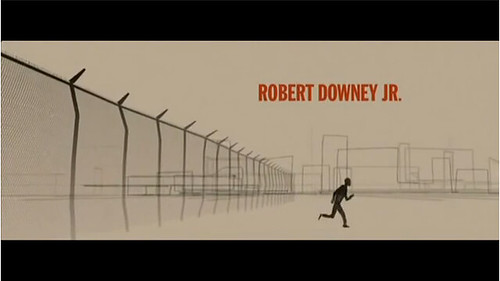
 A title sequence is the method in which films/television programs present their title, key production, cast members, utilising visuals and sounds.One of the main reasons films use title sequences is to because of the opening credits. In a motion picture, television program or video games , the opening credits are demonstrated at the start as a list of the most important members of production. They are usually set up as texts on a black screen or on top of a action. This normally shows the setting, cast or the characters in the film which sets the atmosphere of the film and the audience can generally tell what genre the film is, before it even begins. Music if often added/sound effects to add to the specific genre as genre tropes. For instance, the association with Steven Spielberg has created fan base and there for the audience expects the best out of him as he has a huge reputation to uphold. Perhaps the purpose of the title sequence is to introduce the film/programme - it also gives the audience an insight of what they’re about to watch and infact uses a range of aspects to set the tone and make the genre clear.In addition presenting and introducing a institution makes the audience have a sense of trust over the company that the film will be worth watching. If the audience knows that this film was produced by eg Paranount or Universal , it may also convince them to watch the film as the institution also has a reason to improve as they have a reputation to uphold.